DMIT Test for Kids in Pune – Understand Your Child’s Natural Intelligence
DMIT helps parents discover how their child learns, behaves, and expresses intelligence — so you can guide them with confidence, not pressure.
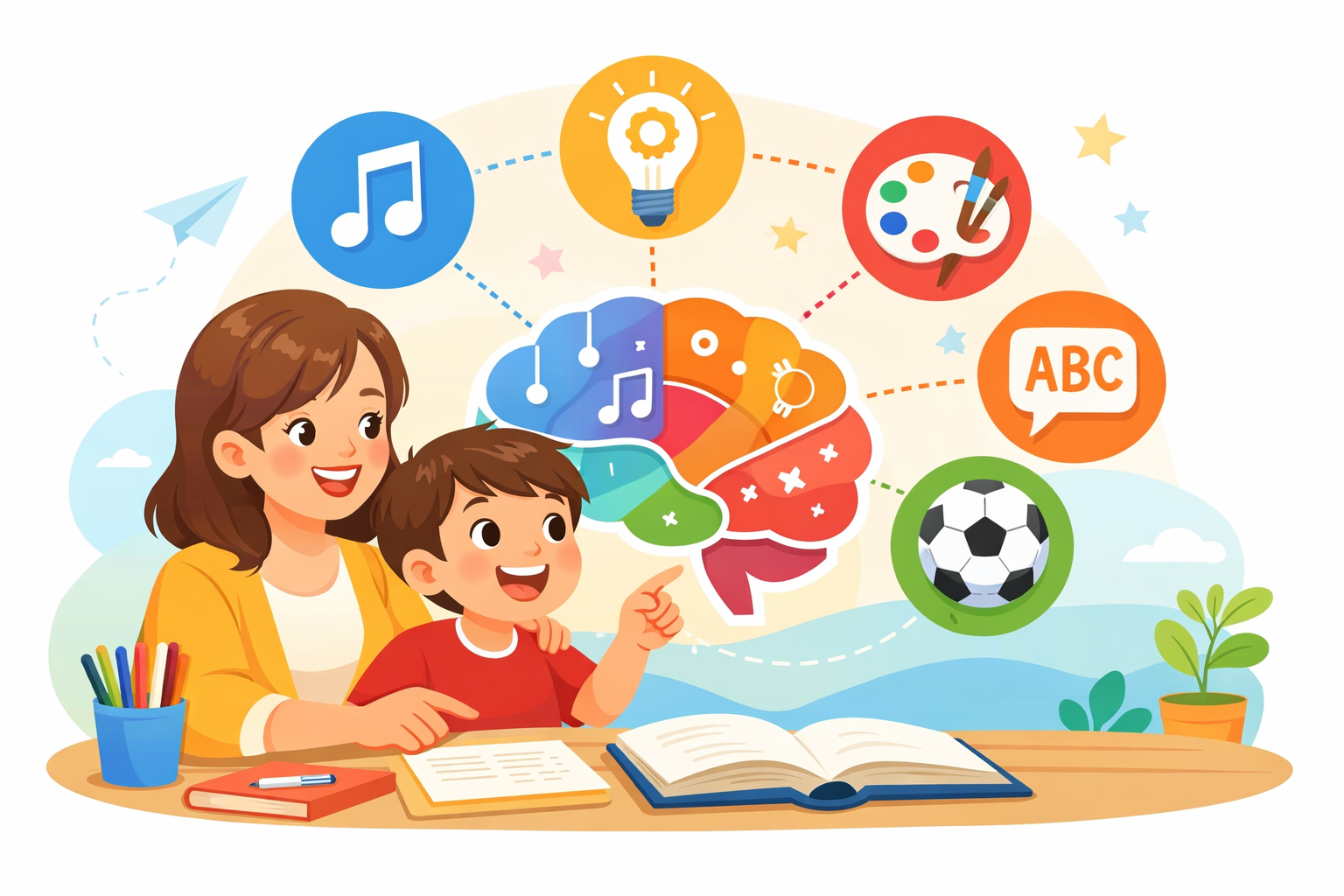
Why DMIT is Important for Kids
Every child is unique. DMIT helps parents understand *how* their child is naturally designed to learn and grow.
For parents who want deeper clarity on how to apply these insights in daily learning and decision-making, expert guidance can make a meaningful difference.
DMIT counselling for kidsLearning Style Clarity
Identify whether your child learns best through visuals, listening, movement, or hands-on activities.
Intelligence Strengths
Understand dominant intelligences such as logical, creative, musical, interpersonal, or kinesthetic.
Behavior Understanding
Gain insights into attention span, emotional responses, confidence levels, and natural tendencies.
Interest Direction
Guide your child toward activities, hobbies, and skills aligned with their natural potential.
Who Should Take DMIT for Kids?
DMIT for Kids is suitable for children between the ages of:
3 – 5 Years
Early understanding of learning preferences and developmental strengths.
6 – 10 Years
Support school learning, confidence building, and activity selection.
11 – 15 Years
Prepare for subject choices, skill development, and academic direction.
What Parents Receive
Detailed DMIT Report
40+ page report covering intelligence distribution, learning style, behavior patterns, and strengths.
1-on-1 Parent Counseling
A personalized session where experts explain the DMIT report and guide parents on how to apply insights effectively at home and school. Expert DMIT counsellingAction Guidance
Practical recommendations for education, activities, parenting approach, and skill development.
DMIT for Kids – Common Questions
DMIT is a non-invasive assessment that involves only fingerprint scanning, without the use of medical equipment, injections, or physical procedures. The process does not cause discomfort or harm to children. Since fingerprints are naturally present from birth, the assessment simply records existing patterns for analysis and does not interfere with a child’s physical or psychological development.
DMIT does not label, rank, or judge children. The assessment focuses on identifying natural strengths, learning preferences, and intelligence tendencies. It does not compare children with peers or assign fixed abilities. The information is intended to support understanding and guidance, while recognizing that skills, interests, and performance can develop over time through education and experience.
DMIT is not designed to replace school examinations, academic evaluations, or teacher assessments. Instead, it can be used as a complementary tool to understand how a child learns best and where natural inclinations may exist. Academic performance, classroom observations, and regular assessments remain essential for tracking progress and educational outcomes.
Talk to an Expert Counselor
Unsure if DMIT is right for your child? Book a free consultation today.
Book Free Consultation →